

Avenues for Justice
100 Centre Street, Room 1541
New York, NY 10013
info@avenuesforjustice.org
©Copyright 2022 Avenues for Justice. All rights reserved.


What 20 years with court-involved youth has taught me about breaking systemic cycles
By Elizabeth Frederick, Avenues for Justice
Posted on March 19, 2026
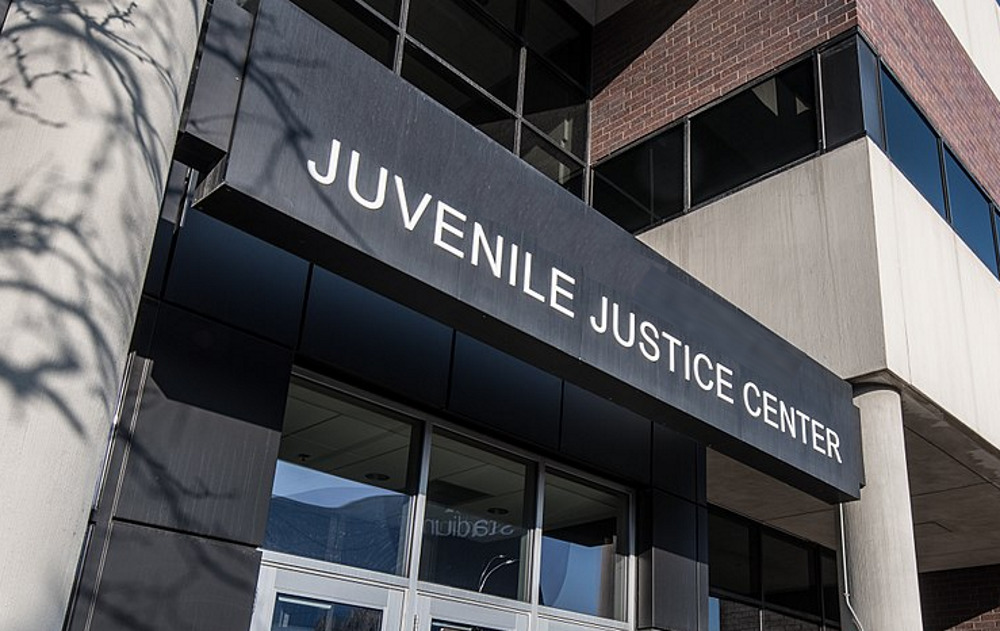
I first walked into Avenues for Justice (AFJ) in 2006 as a graduate student at John Jay College of Criminal Justice. I was curious about the gap between theory and lived experience. I wanted to examine what I was being taught in classrooms versus what Black and Brown young people and families were navigating in real time. What I encountered that day was not just a program model but a community grounded in the belief that Black and Brown young people deserve more than punishment.
They deserve the chance to live, grow and have opportunities, not systemic barriers.
Now, 20 years later, I’ve seen New York City’s criminal legal landscape shift in meaningful, less punitive ways from Raise the Age to the Clean Slate Act to policy reforms making alternatives to incarceration services more widely recognized. But reform alone has not dismantled the conditions that continue to shape how and why marginalized communities experience system involvement in the first place. Structural inequities in housing, education and employment continue to shape who enters the system and who struggles to exit it.
In the mid-2000s, New York City’s jail population was significantly higher than it is today. While the city still has work to do, the number of people in jail has dropped over the past two decades, reflecting a shift toward alternatives to incarceration and community-based responses. Reforms like Raise the Age ensured that young people under 18 are no longer placed in adult jails, and community-based diversion programs are more widely used than they were two decades ago. These shifts matter, and they have improved outcomes for many young people.
And yet, even as the size of incarceration has decreased, the conditions surrounding many of the Black and Brown participants we serve have not shifted at the same pace. Communities that have long faced disinvestment continue to experience the highest rates of system involvement, and families still navigate systemic barriers just to access the resources needed to make ends meet. Fewer Black and Brown men may be incarcerated than they were two decades ago, but the ripple effects of incarceration are still felt by Black and Brown families and communities across generations.
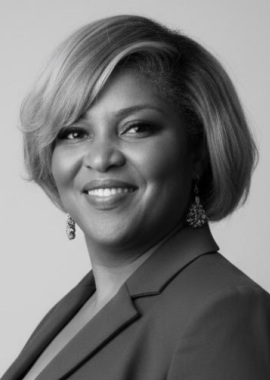
At AFJ, we work at the point where policy meets lived experience. Our model is built on the understanding that legal advocacy alone is not enough to interrupt cycles of incarceration. Young people need consistent mentorship, workforce development, educational support and trusted relationships with adults who see their potential beyond a single court case.
Each year, AFJ serves hundreds of young people across New York City through diversion, court advocacy and workforce development. Most court-involved participants are not reconvicted within three years of enrollment, and many go on to complete school, gain industry certifications and secure employment. On average, AFJ spends $5,300 to provide wraparound services to one court-involved participant for a full year. In comparison to $500,000 the state/city spends incarcerating one person annually, yet the long-term impact on families and communities is profound.
What makes AFJ’s approach unique is our sustained engagement long after a case ends. We remain connected to young people as they pursue education, employment and stability, recognizing that breaking cycles requires long-term investment, not short-term intervention.
Our work is rooted in a whole-person approach because we see firsthand how the same neighborhoods continue to be disproportionately impacted. I have watched Black and Brown families navigate the emotional and financial strain of court involvement and incarceration. I have met mothers raising children while carrying the weight of systemic barriers and young people trying to build stable futures while moving through systems not designed with their success in mind.
Even as policies shift and jail populations decline, the underlying conditions that drive justice involvement remain firmly in place.
Mass incarceration is not only about who is behind bars. It is about the ripple effects that extend into families and communities. Nearly half of people in prison are parents, and millions of children across the country have experienced the incarceration of a loved one. In New York City, entire neighborhoods have carried the weight of decades of high incarceration rates. Many of the men who cycle through local jails come from the same communities that have faced long-term disinvestment in housing, education and employment opportunities. When a Black or Brown father, son or brother is incarcerated, families often absorb the financial strain, the loss of income and the emotional toll. Children grow up navigating instability that can follow them into adulthood. Even though fewer people are incarcerated today than in years past, the same neighborhoods continue to feel the impact. Families are still absorbing lost income, instability and the long-term strain that incarceration places on families and communities.
Organizations like Avenues for Justice have demonstrated that different outcomes are possible. A Black or Brown young person can complete school, gain employment, strengthen relationships with family members and become leaders in their communities when they are supported in meaningful ways. But community programs cannot carry the weight of systemic inequities alone. They cannot fully offset policies and practices that continue to pull young people back into the system.
The past two decades have shown us that reform is possible. They have also shown us that reform without sustained investment and structural change is not enough.
If we are serious about breaking cycles of incarceration and creating pathways to long-term stability, we must invest more deeply in the communities most affected. We must trust organizations that are rooted in those communities and led by people who understand the work from lived and professional experience. We must address the root causes that bring young people into contact with the justice system in the first place rather than focusing only on interventions after harm has occurred. And we must center families, recognizing that when one person is pulled into the system, entire households and neighborhoods are affected.
As a Black woman, I carry both the responsibility and the hope that comes with leadership in this moment. As I look ahead, the need for deeper investment and broader partnerships is clear. Community-based organizations cannot do this work alone. Expanding access to alternatives to incarceration, strengthening reentry pathways and investing in prevention all require collaboration across public systems, philanthropy and community leadership.
At Avenues for Justice, we are calling on people who care about justice and the future of Black and Brown young men to partner with us. Breaking systemic cycles requires sustained investment in the people and communities who have borne the impact of injustice. Supporting one young person through Avenues for Justice costs a fraction of incarceration and strengthens families and communities in the process. It is Justice in Action.